


logo

Sadaqah & Zakat Donations

Give obligatory and voluntary donations online

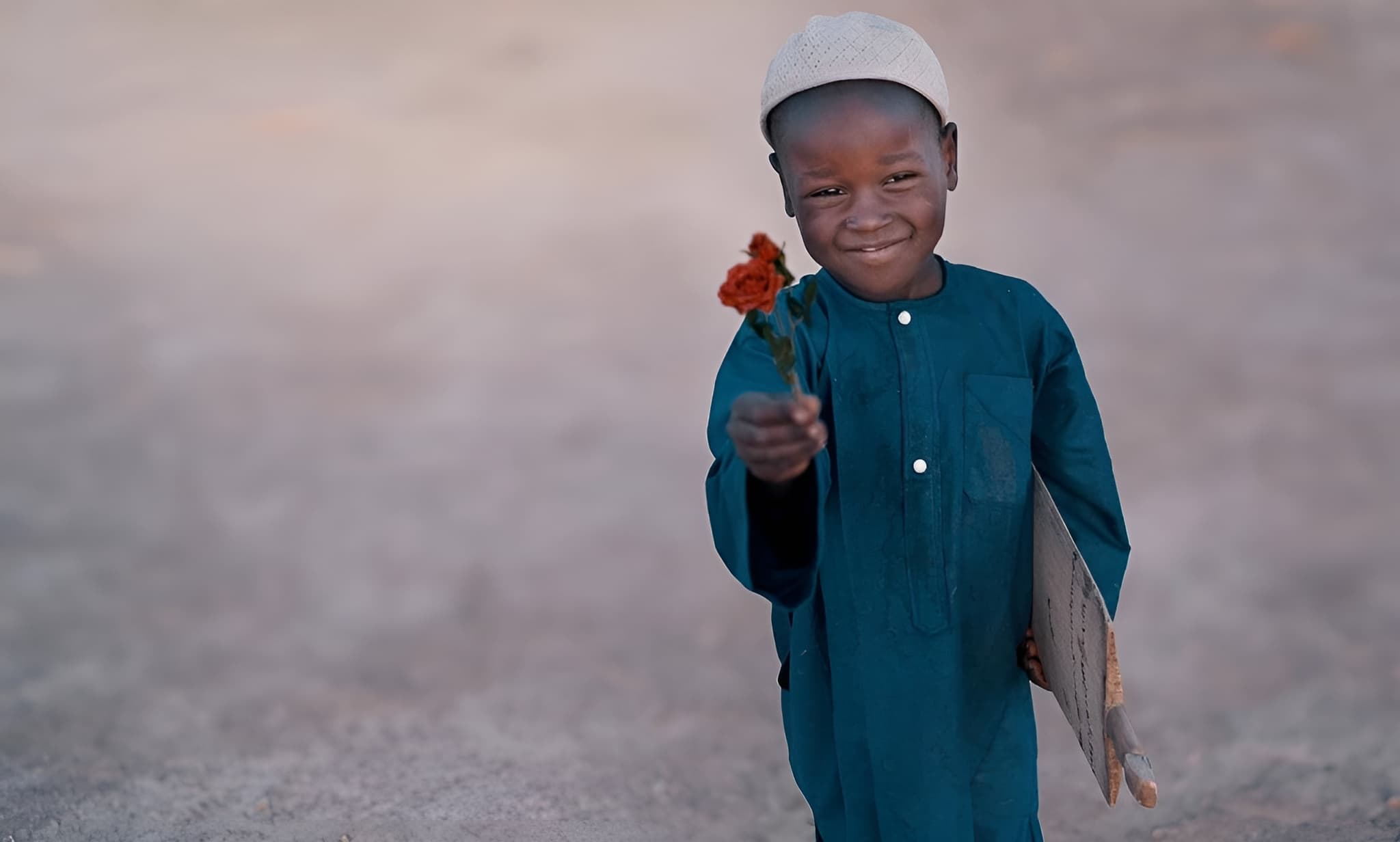
Spenden - Sadaka
Spenden - SadakaMin. 5 €
Freitag - Spende
Freitag - SpendeMin. 5 €
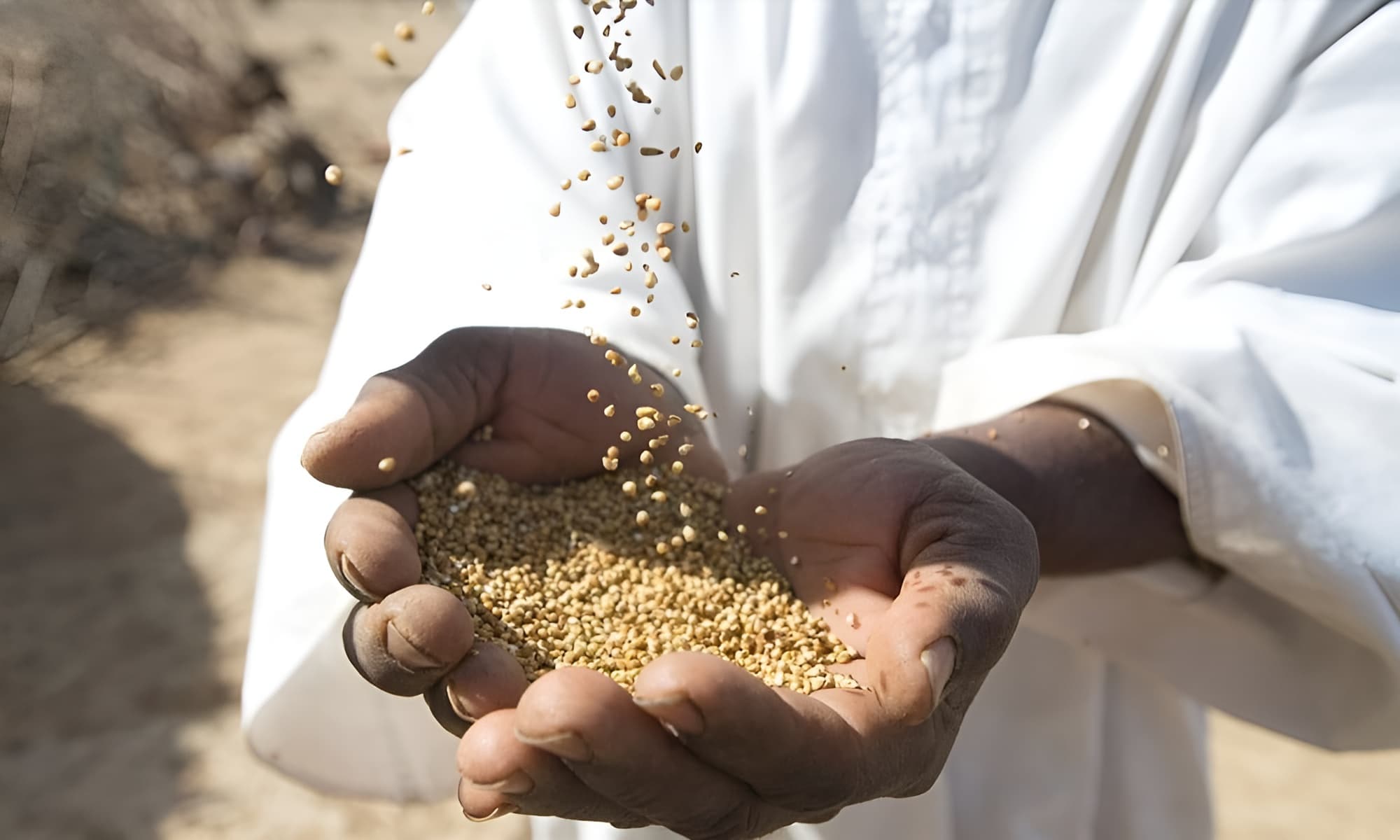
Reisen-Spenden
Reisen-SpendenMin. 10 €
Kandil-Nacht Spende
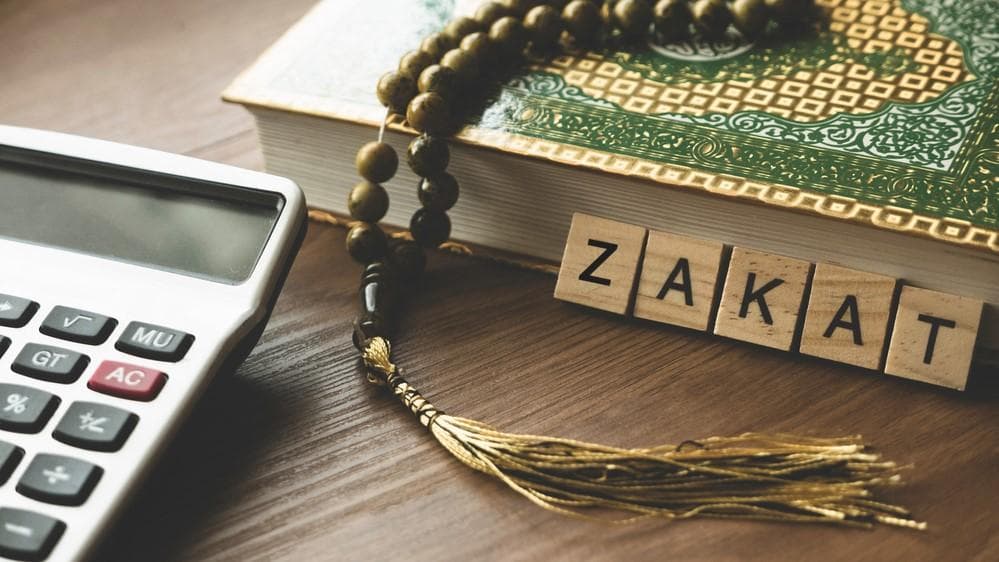
Zakat
ZakatMin. 5 €
Zekat Rechner

Zakat or Sadaqah – which one, and when?

Zakat is the obligatory annual payment of 2.5% on zakatable wealth, due once that wealth has stayed above the nisab threshold for a lunar year. Sadaqah is voluntary, tied to no minimum amount and no date, and can be given at any time in addition.

Friday sadaqah and Kandil sadaqah

Many donors attach their sadaqah to a fixed occasion: to Friday (Cuma) or to the Kandil nights of the Islamic calendar. On those occasions you can give your sadaqah online in just a few minutes.

Where your Sadaqah goes

Sadaqah given without a designated purpose is used wherever the need is greatest at the time – from food aid to orphan care to emergency relief. Designated donations go solely to the project you choose.

Frequently Asked Questions

Use our free Zakat calculator. It accounts for cash, gold, silver, receivables and debts, and shows you the amount due.

Zakat is an obligatory annual payment for Muslims whose wealth exceeds the nisab. Sadaqah is voluntary and can be given at any time in any amount.

Zakatable assets include cash, bank balances, gold and silver, receivables, trade goods and shares. Our Zakat calculator walks you through each category and deducts your debts.

Sadaqah is a voluntary donation given for the sake of Allah. Unlike Zakat it is not obligatory; any help given to someone in need counts as Sadaqah.

Zakat is one of the pillars of Islam and an annual obligation on wealth. Muslims who own the nisab give one fortieth (2.5%) of their wealth each year to one of the groups named in the Qur'an, in Surah at-Tawbah, verse 60.

The nisab is the threshold set by Islamic law at which Zakat becomes obligatory. Any Muslim who owns the equivalent of 20 mithqal of gold (about 80.18 grams) in gold, cash or trade goods, over and above their essential needs and debts, pays Zakat once a year. Wealth dipping below the nisab during the year does not remove the obligation — it is enough that the nisab is met at the start and at the end of the year.

Zakat is given to the poor, to the destitute who own nothing, to debtors whose wealth does not cover their debts, to travellers left stranded, and to those on the path of Allah, which includes students of religious knowledge. Giving it to the destitute and to students is considered the most meritorious.

Sadaqah given without a designated purpose is used all year round for food, clothing, education, health care and shelter. Priority goes to the regions where the need is most urgent: African countries, Indonesia, Pakistan, Bangladesh and Mongolia.