

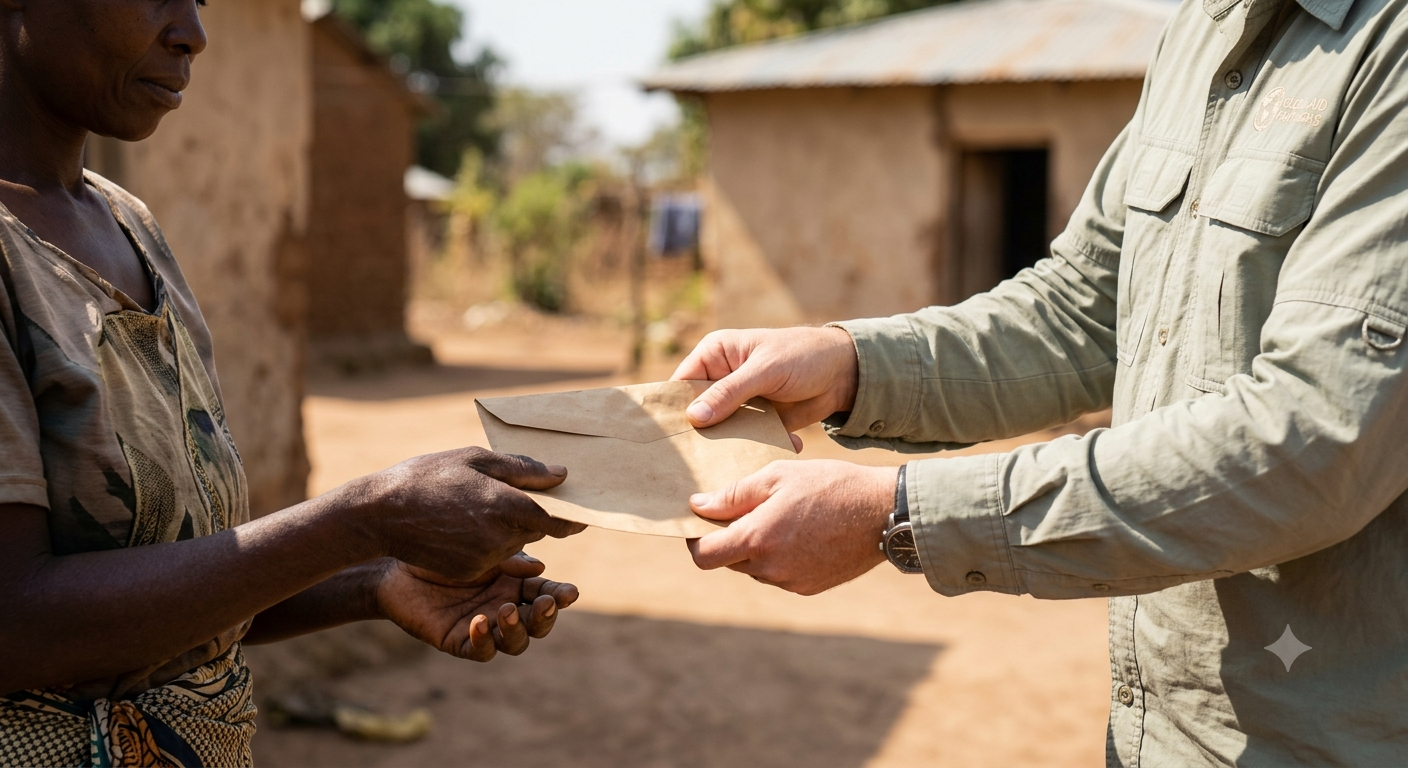
Sadaqah Explained: The Virtues of Voluntary Charity and How Small Donations Add Up
Of all the forms of giving in Islam, Sadaqah is the most flexible — there is no minimum amount, no fixed schedule, and no restriction to money alone. A smile, removing a harmful object from a path, or a kind word can all count as Sadaqah. Yet its reward, as described in the Quran, is anything but small.
What does Sadaqah mean?
Sadaqah comes from the Arabic root that means "truthfulness" — giving Sadaqah is considered a proof of the sincerity of one's faith. Unlike Zakat, which is a fixed, obligatory percentage of wealth above the nisab threshold paid once a year, Sadaqah is entirely voluntary (nafl) and can be given at any time, in any amount, by anyone regardless of their financial situation.
The Quran describes the reward for spending in the way of Allah with a vivid image: "The example of those who spend their wealth in the way of Allah is like a seed which grows seven spikes, in each spike a hundred grains" (Quran 2:261) — a multiplication of seven hundred times, and Allah multiplies it further for whom He wills.
How Sadaqah differs from Zakat
- Obligation: Zakat is obligatory (fard) for eligible Muslims; Sadaqah is voluntary.
- Amount: Zakat has a fixed rate (typically 2.5% of qualifying wealth); Sadaqah has no minimum or maximum.
- Timing: Zakat is calculated and paid once every lunar year; Sadaqah can be given at any moment, as often as one wishes.
- Recipients: Zakat has eight specifically defined categories of recipients in the Quran; Sadaqah can be given to any person or cause in genuine need.
Because Sadaqah has no rules restricting who receives it, it is often the fastest way for a charity to respond to urgent, unpredictable needs — an emergency food parcel, urgent medical treatment, or immediate relief after a disaster — where waiting for a fixed Zakat distribution cycle would cost lives.
The virtues of Sadaqah in Hadith
The Prophet Muhammad (peace be upon him) taught that Sadaqah does not decrease wealth, but rather increases it in ways not always visible — through blessing (barakah), protection from calamity, and reward in the hereafter. He also said that "every act of goodness is Sadaqah," extending the concept far beyond money to include kindness, guiding someone who is lost, and even smiling at another person.
He further described Sadaqah as a shield: "Charity extinguishes sin as water extinguishes fire," and taught that giving in secret is especially rewarded, since it protects the giver from showing off (riya) and protects the dignity of the recipient.
How your Sadaqah is used at ILA Europe
Because Sadaqah carries no restrictions, it is the most flexible source of funding for time-sensitive needs. A Sadaqah donation to ILA Europe is directed to wherever the need is most urgent at that moment, which can include:
- Emergency food and hygiene parcels for families facing sudden hardship.
- Medical treatment and medication for people who cannot otherwise afford care.
- Immediate relief following floods, earthquakes, or displacement.
- Support for orphans and widows outside the scope of Zakat-specific programmes.
- Bridging funding gaps in ongoing projects, such as water wells or school support, that need to continue uninterrupted.
Even a small, regular Sadaqah — given daily or weekly — is described in Hadith as more beloved to Allah than an occasional large sum, since consistency builds a lasting habit of generosity.
Give a Sadaqah donation today, in any amount, and direct it to wherever the need is greatest right now.
Frequently asked questions
Ready to support Sadaqah projects?
You may also like
 General
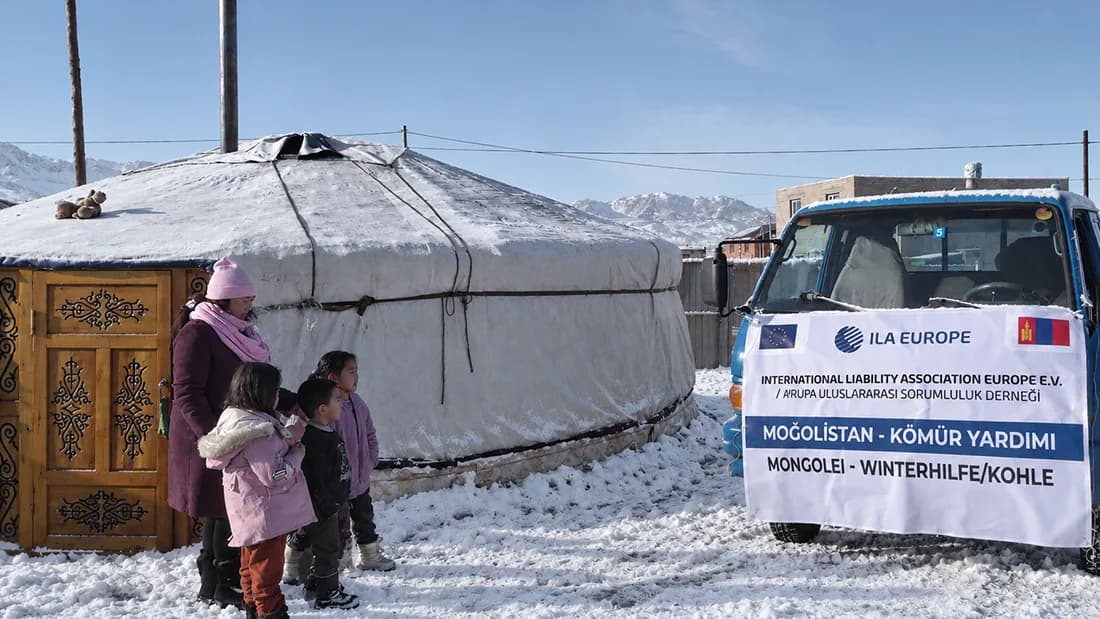
Mongolia Winter Aid: One Sack of Coal, One Warm Home
In one of the coldest capitals in the world, a single sack of coal decides whether a family spends the winter freezing or with hope. Just €25 delivers 250 kg of heating coal to a family in need.
 General
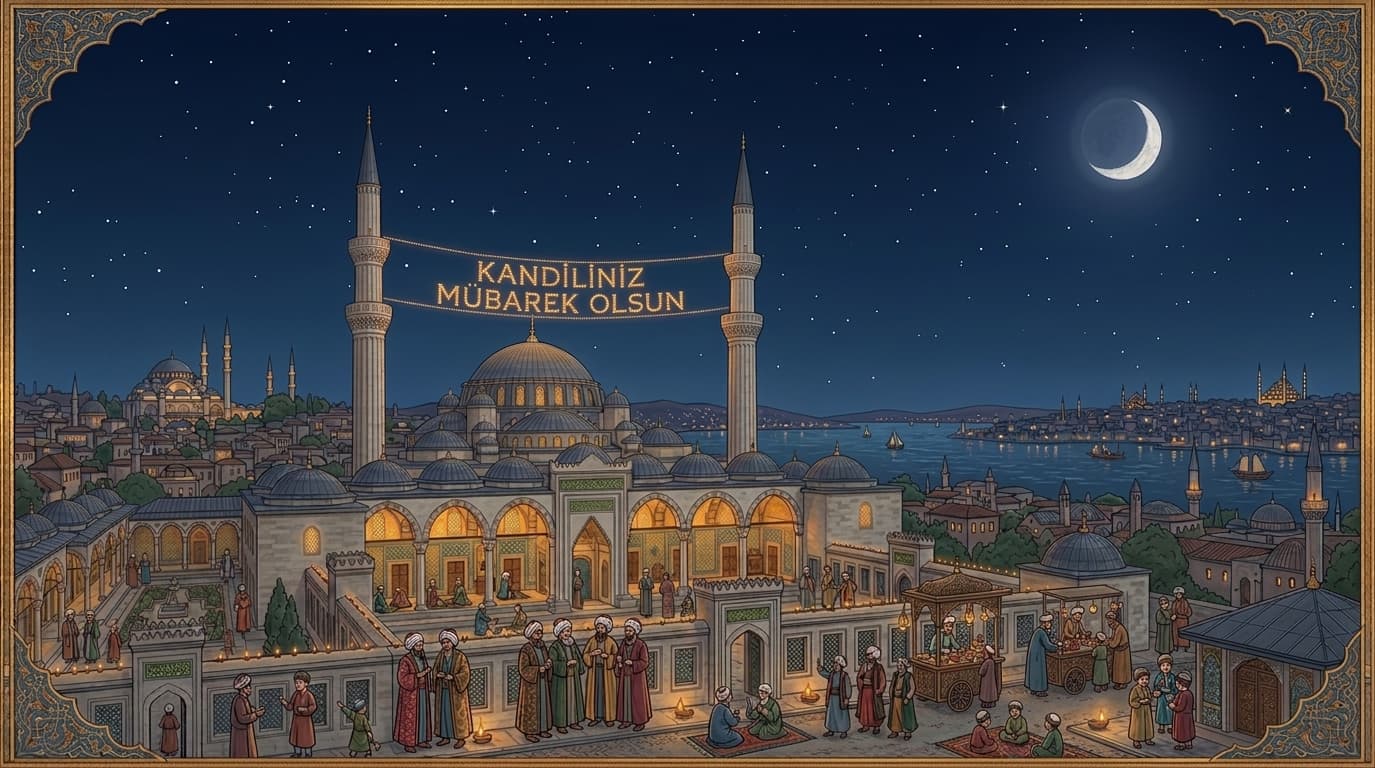
What Are the Kandil Nights? The 2026 Calendar of Blessed Days and Their Meanings
The meaning of the five great Kandil nights, the other blessed days, and every 2026 date in one calendar — including Mawlid al-Nabi on 24 August 2026.